Saturday, September 9, 2023

Armstrong's pattern-drafting method

Armstrong's pattern-drafting method, developed by Helen Joseph Armstrong, is a cornerstone in fashion design education, renowned for its comprehensive approach to creating garment patterns. This method emphasizes three core principles: dart manipulation, added fullness, and contouring, providing a robust framework for both novice and experienced designers. Armstrong's technique is detailed in her seminal book, "Patternmaking for Fashion Design," which serves as a key educational resource in many fashion programs [1, 8, 19]. The book has received high ratings, with scores of 10, 9, and 7 across different editions, indicating strong approval [1]. Despite its widespread use, the method is not without challenges, including potential errors in measurement charts and the complexity of instructions, which may require additional guidance for beginners [6, 14, 22]. This review synthesizes evidence from multiple sources to explore Armstrong's method, its applications, and its place within the broader context of pattern-drafting techniques.


Background 

Pattern drafting is the process of creating a blueprint for constructing garments, involving the translation of design concepts into flat patterns that can be used to cut fabric [4, 13, 24]. Armstrong's method is particularly noted for its detailed instructions and comprehensive coverage of patternmaking principles, making it a staple in fashion design education [1, 8, 19]. The method involves creating a basic pattern set for Missy size 10, which includes drafting a five-piece basic block: front bodice, back bodice, skirt, and sleeve [2]. This foundational approach is crucial for developing accurate design patterns and is widely used in both manual and digital patternmaking environments [9, 22]. Armstrong's book emphasizes accurate measurement techniques, using both vertical and horizontal measurements for pattern drafting, which are essential for ensuring proper garment fit [3]. The book's high-quality paper and binding enhance its durability, making it a reliable resource for frequent use [1].


Artist's representation of a sewing mashine


Methods 

Armstrong's pattern-drafting method is grounded in manual drafting techniques, which are then translated into computer-aided design (CAD) tools. The process begins with the creation of a basic block, which serves as the foundation for more complex designs [9, 14]. The method emphasizes dart manipulation, added fullness, and contouring, allowing for precise adjustments to fit various body types [9, 14, 55]. Armstrong's book provides detailed instructions for drafting various garment types, including trousers and jackets, and covers advanced techniques such as bias-cut garments. Despite its comprehensive nature, the method requires accurate measurements and may involve trial and error to achieve the perfect fit [4, 14, 24]. The book also highlights the importance of incorporating darts and ease for proper garment fit, which are critical components in patternmaking [3]. The integration of CAD tools enhances efficiency and accuracy, bridging traditional and modern techniques [4].


Armstrong's method is widely recognized for its educational value, with her book often used as a textbook in fashion design programs [1, 8, 19]. The method's emphasis on foundational skills and creative design makes it suitable for both beginners and experienced designers [6, 22]. However, some users report inconsistencies in measurement charts, particularly for children's patterns, which can lead to inaccuracies [6, 14, 22]. Comparative studies have evaluated Armstrong's method against others, such as Aldrich and Bunka, using 3D body scanning to assess fit and comfort [5]. These studies highlight the method's strengths in creating accurate patterns but also note challenges in optimizing patterns for mass production [5]. Armstrong's book also includes practical exercises and real-world applications, which can aid in mastering the technique [8, 19]. The book's durability and high-quality materials further contribute to its long-standing use in educational settings [1].


Comparisons & Alternatives

Armstrong's method is often compared to other pattern-drafting techniques, such as those by Aldrich and Bunka. While Armstrong's approach is more detailed and comprehensive, it is also more complex, which can be a barrier for beginners [1, 6, 32]. Aldrich's method, for example, is considered simpler and more accessible for children's patterns, though it may lack the depth of Armstrong's technique [1, 6]. The rise of digital patternmaking tools has also introduced new alternatives, allowing for more efficient and precise drafting processes [3, 25]. These tools can emulate manual methods, providing a bridge between traditional and modern techniques [9, 25]. Digital pattern making improves efficiency, accuracy, and sustainability in garment production, offering better fit and customization [4]. The integration of 3D fashion design tools like VStitcher enhances the creative process by allowing virtual garment simulations [4].


Practical Considerations

Implementing Armstrong's pattern-drafting method requires a solid understanding of both manual and digital tools. The method's comprehensive coverage makes it a valuable resource for developing patternmaking skills, but it may require additional guidance for those without prior experience [6, 22, 44]. Armstrong's book includes practical exercises and real-world applications, which can aid in mastering the technique [8, 19]. However, the complexity of the instructions may deter beginners, highlighting the need for knowledgeable teachers or supplementary resources [6, 22, 44]. The book's emphasis on accurate measurement techniques is crucial for ensuring proper garment fit, which is a key aspect of successful patternmaking [3]. The use of CAD tools can further enhance the learning experience by providing visual aids and error-checking capabilities [6].


Risks, Limitations & Failure Modes

The primary limitations of Armstrong's method include potential errors in measurement charts and the complexity of instructions, which can lead to inaccuracies in drafted patterns [6, 14, 22]. The method's reliance on manual measurements also introduces the risk of human error, which can affect the fit and comfort of the final garment [4, 14, 24]. Additionally, while the method is comprehensive, it may not be suitable for all body types, requiring adjustments to achieve the desired fit [7, 14, 55]. These challenges underscore the importance of practice and experience in mastering the technique [4, 24, 55]. Miscalculations in fabric yardage or measurement conversions can lead to significant errors in patternmaking [3]. The complexity of the process may discourage beginners, necessitating additional support and resources [7].


Open Questions & Future Directions

Despite its established role in fashion design education, Armstrong's pattern-drafting method presents several open questions and opportunities for future research. The integration of digital tools and 3D body scanning technologies offers potential for enhancing the accuracy and efficiency of the method [3, 25, 32]. Further studies could explore the optimization of patterns for mass production and the development of sustainable, convertible garments [16, 17, 32]. Additionally, addressing the reported inconsistencies in measurement charts and simplifying the instructions could make the method more accessible to a broader audience [6, 14, 22]. As the fashion industry continues to evolve, Armstrong's method will likely adapt to incorporate new technologies and sustainable practices, ensuring its continued relevance and impact. The potential for automation in patternmaking raises questions about the future role of traditional techniques in the industry [4].


Sources (selected):

[1] https://pentesternotes.com/pattern-making-for-fashion-design-helen-joseph-armstrong/

[2] https://medcraveonline.com/JTEFT/research-regarding-new-sustainable-methods-of-garment-pattern-drafting.html

[3] https://www.bookey.app/book/patternmaking-for-fashion-design-by-helen-joseph-armstrong

[4]  https://browzwear.com/blog/emerging-trends-in-digital-pattern-making-what-to-expect-in-the-future

[5] https://adeniumbiotech.com/patternmaking-for-fashion-design-helen-joseph-armstrong/

[6] https://digitalisefashiondesign.com/5-common-cad-pattern-drafting-errors-and-how-to-slove-them/

[7]  https://theclosethistorian.blogspot.com/2017/06/pattern-drafting-drafting-basic-bodice.html

Thursday, March 16, 2023

Patricia Burkhard's "The Ultimate Guide to Sewing Techniques"

Patricia Burkhard's "The Ultimate Guide to Sewing Techniques" is a treasure trove of knowledge for those eager to refine or acquire sewing skills. The book serves as an all-encompassing reference for sewing enthusiasts of all levels, whether they are just starting out or have been sewing for years. Burkhard's focus on teaching essential skills and techniques ensures that readers have a solid foundation for a successful sewing experience.


The book commences with an in-depth introduction to sewing, touching upon the history of the craft and the various tools and equipment needed for different projects. Burkhard takes the time to explain the differences between sewing machines, needles, threads, fabrics, and other essential materials, aiding readers in making informed decisions about what they need to begin their sewing journey.


Following this introduction, Burkhard dives into the fundamentals of sewing, covering everything from basic stitches to more advanced techniques. For beginners, she offers step-by-step instructions on how to thread a sewing machine, wind a bobbin, and select the appropriate stitch for a specific project. She also explains different types of seams, hems, and finishes, ensuring that readers can create professional-looking garments and accessories right from the start.


For more seasoned sewers, "The Ultimate Guide to Sewing Techniques" provides advanced tailoring methods, such as dart manipulation, pattern grading, and couture sewing techniques. These sections help experienced sewers elevate their skills and create custom-fit garments that not only look great but feel comfortable as well. Burkhard also discusses how to work with various fabrics, including delicate materials like silk and lace, and heavier textiles such as denim and leather.


One of the most distinctive features of the book is its focus on practical, real-life applications of sewing techniques. Burkhard shares tips and tricks for mending and altering clothing, allowing readers to extend the life of their favorite garments and make adjustments to accommodate changes in size or style. Additionally, the book includes a variety of projects that cater to different skill levels and interests, from home décor items like curtains and pillows to fashionable accessories such as bags and scarves.


The book's clear, concise, and well-organized presentation is another standout feature. Each section is broken down into easily digestible segments, accompanied by detailed illustrations and photographs to help readers visualize the techniques being discussed. This approach makes the book an excellent resource for visual learners, as well as a helpful reference for those looking to refresh their memory on specific techniques.


Throughout "The Ultimate Guide to Sewing Techniques," Burkhard emphasizes the importance of practice and patience. She encourages readers to take their time with each new technique, building confidence and mastery through repetition and experimentation. This focus on perseverance and personal growth sets the book apart from other sewing guides, as it not only teaches readers how to sew but also fosters a sense of accomplishment and self-improvement.


In conclusion, Patricia Burkhard's "The Ultimate Guide to Sewing Techniques" is an indispensable resource for anyone interested in the art of sewing. With its comprehensive coverage of sewing techniques, from basic stitches to advanced tailoring, this book provides a solid foundation for a successful sewing experience. Its practical approach, clear organization, and emphasis on growth and experimentation make it an invaluable tool for sewers of all skill levels. Whether you're a beginner looking to learn the basics or an experienced sewer seeking to refine your skills, this book is an essential guide on your sewing journey. 

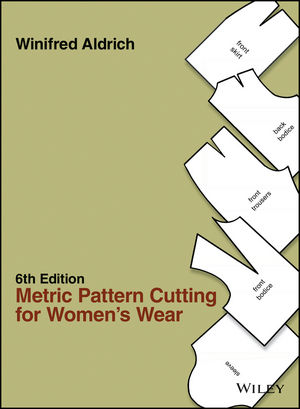
Metric Pattern Cutting for Women's Wear: A Comprehensive Guide by Winifred Aldrich

Winifred Aldrich's "Metric Pattern Cutting for Women's Wear" is a revolutionary book in the world of fashion design. It offers a comprehensive guide for creating custom patterns using the metric system, which promotes standardization and enhances communication between designers, manufacturers, and clients. By employing Aldrich's approach, designers and amateur sewers can develop high-quality garments from scratch, significantly enhancing their design capabilities and the overall appearance of their creations.


Aldrich's methodology emphasizes the importance of understanding the human body's proportions and the principles of pattern cutting. This allows designers and sewers to create garments that fit well and flatter the wearer, enhancing their natural beauty and boosting their confidence. Pattern cutting is the art of translating a two-dimensional design into a three-dimensional garment, which requires a combination of technical skill, creativity, and a keen eye for detail. Aldrich's book offers step-by-step instructions, diagrams, and examples to help readers master this essential process.


A frontpage of Metric Pattern Cutting for Women's Wear book

One of the most significant benefits of using Aldrich's approach is the ability to create custom patterns from scratch. This enables designers and sewers to develop garments tailored to the needs and preferences of the individual wearer, ensuring a perfect fit and a one-of-a-kind design. Custom patterns also allow for the incorporation of unique design elements, giving creators the freedom to express their artistic vision without being constrained by pre-existing patterns or templates.


In addition to its focus on the metric system and pattern cutting principles, the book covers a wide range of topics related to women's wear, including different garment types, such as dresses, skirts, blouses, jackets, and trousers. It provides detailed information on the construction of each garment, including essential techniques for sewing, hemming, and finishing. The book also delves into the art of pattern manipulation, teaching readers how to alter existing patterns to accommodate new designs or to better suit the wearer's individual measurements.


Moreover, Aldrich's book serves as a valuable resource for those interested in the history of fashion and the evolution of women's wear. It provides an overview of the various design styles and trends that have emerged throughout the decades, along with insight into the social and cultural factors that have influenced the development of women's clothing. This historical perspective enriches the reader's understanding of the fashion industry and adds depth to their appreciation of the art of pattern cutting.


In conclusion, Winifred Aldrich's "Metric Pattern Cutting for Women's Wear" is a groundbreaking book that has revolutionized the field of fashion design. It offers a comprehensive guide for creating custom patterns using the metric system, which promotes standardization and enhances communication between designers, manufacturers, and clients. By emphasizing the importance of understanding the human body's proportions and the principles of pattern cutting, Aldrich's book allows designers and sewers to create garments that fit well, flatter the wearer, and express their artistic vision. 

Müller and Zone Method: Precision Pattern Making for Custom Garments in the Fashion Industry

Müller and Zone Method: Precision Pattern Making for Custom Garments in the Fashion Industry

Introduction to the Müller and Zone Method

Pattern making is a fundamental aspect of the garment industry. Among the many techniques used to create patterns, the Müller and Zone method stands out as a time-honored and widely respected approach that has revolutionized the industry. Developed in the 1930s by two German pattern makers, Müller and Zone, this method has consistently maintained its relevance in the fashion industry, particularly in the realm of custom-made garments, thanks to its precision, adaptability, and effectiveness in delivering well-fitted, bespoke clothing.

Key Stages of the Müller and Zone Pattern Making Process

At its core, the Müller and Zone method consists of three key stages: the creation of the basic pattern block or sloper, the manipulation of the pattern to create a specific garment design, and the finalization of the pattern through tracing onto paper or muslin. Each stage is crucial to the overall pattern-making process and contributes significantly to the creation of a tailored, custom-fit garment.

A screenshot of a shop sellin  Muller un Zone pattern making book


The first stage, which involves crafting the basic pattern block or sloper, requires taking precise measurements of an individual's body. Attention to detail is critical at this juncture, as the accuracy of these measurements will ultimately determine the fit of the final garment. Once these measurements have been taken, they are used to create a pattern that includes the basic elements of a garment, such as the bodice, sleeve, and skirt. The resulting pattern block acts as a foundation, providing a starting point for the creation of numerous designs that can be adapted to the unique specifications and preferences of the wearer.

 The second stage of the Müller and Zone method focuses on manipulating the basic pattern to create a specific garment design. This is accomplished by adding or subtracting elements such as darts, seams, and pleats, which modify the pattern to achieve the desired style and silhouette. By skillfully manipulating these features, a designer can transform the basic pattern into a wide array of garments, ranging from casual wear to formal attire, while still ensuring a precise fit. This adaptability is one of the key strengths of the Müller and Zone method, enabling designers to create custom garments that not only fit well but also reflect the individual's personal style and preferences.

 The third and final stage of the Müller and Zone method is the creation of the final pattern. After the manipulated pattern has been completed, it is traced onto paper or muslin, creating a tangible template that can be used to cut and sew the final garment. This stage is essential, as it solidifies the design and ensures that the garment will accurately reflect the measurements and adjustments made during the previous stages. Moreover, the final pattern serves as a blueprint for the construction of the garment, guiding the sewing process and helping to avoid errors that could compromise the fit and appearance of the finished piece.


The precision and accuracy of the Müller and Zone method are vital attributes in the world of custom-made garments. By basing the pattern on precise measurements and creating a tailored design that caters to an individual's unique body shape, this method ensures a level of fit and comfort that is often difficult to achieve with mass-produced clothing. Moreover, the method's adaptability enables designers to create bespoke clothing that not only fits well but also reflects the individual's personal style and preferences. As a result, the Müller and Zone method remains a popular choice for designers, pattern makers, and tailors alike, particularly in the realm of bespoke fashion. 

Sunday, March 5, 2023

Maternity and breastfeeding dresses, sewing patterns by Venove.design

 This exquisite dress by Venove.Design, I must say, has captured my admiration. The sublime shape is nothing short of flattering, providing utmost comfort and functionality. In fact, the A-line design is arguably one of the most flattering designs there is.


For all the expecting mothers out there, the wrap dress is an excellent choice to accentuate the beauty of your bump. It has the remarkable ability to adapt as your belly grows, creating a breathtaking silhouette that exudes comfort. The wrap top, which shapes a captivating V-neckline, strikes a perfect balance with the rest of the ensemble. Furthermore, it serves as an ideal choice for those who seek comfort while breastfeeding.


Allow me to direct your attention to a video showcasing the innovative breastfeeding panel in this dress. As is characteristic of all VeNove designs, this dress boasts unique details that make it an ideal pregnancy and nursing dress.


Breastfeeding access in VeNove short blue wrap dress with 3/4 sleeves

The dress's front features two layers, with the top layer being a wrap top with a long belt that you can tie in any way that best suits your body shape. Underneath this wrap layer lies a front panel that is slightly longer than the back to ensure proportionality and prevent the dress from becoming too short as the belly grows. The under layer of the top allows for discreet nursing access while providing protection for your breasts.


The inverted triangle shape of the dress is masterfully crafted to add volume to the bottom, thanks to the wider skirt, creating a perfect balance with the upper body while accentuating the waist. Furthermore, the fuller skirt automatically creates more space for the growing belly during pregnancy. To ensure maximum comfort and a better fit throughout the pregnancy, the dress has no waist seam. Instead, the front is made from one piece, allowing you to beautifully emphasize your waist with the belt panel, according to your preference.


This remarkable dress has pockets, a tiny detail that adds to its comfort and functionality. Moreover, it has no zipper, ensuring that the dress is effortless and comfortable to wear.


This wondrous wrap dress is available in three breathtaking colours – blue, black, and magenta. During the creation of these dresses, I experimented with different fabrics. The initial blue and magenta pieces were made from viscose/elastane jersey, providing a lighter and more beautiful drape. The first black dresses, on the other hand, were made from cotton/elastane jersey, which was slightly thicker. Consequently, I cut it diagonally to achieve the same draped effect as the first two dresses. As I continue to search for the best fabric for this design, be sure to stay tuned, as I experiment with different types of jersey while adding more colours to this illustrious collection.

Tuesday, February 28, 2023

How to make dotplots combined with barplots

 How to make dotplot combined with bar- , box- or violin- plot online

Scatterplot maker, combining dot plot with barplot or boxplot or violin plot.


Scatterplot with boxplot generator

Scatterplot with barplot generator

An example of dotplot combined with barplot made online with ScatterPlot.Bar web app displaying miles per gallon by number of cylinders (mpg ~ cyl) from a famous 'mtcars' dataset

Bars with columns dotplot chart, mpg by cyl from mtcars dataset


Tuesday, March 22, 2011

Protein model - your customized piece of science or, maybe, art

Ever wanted to make proteins? Of course you make them all the time, but if your goal is to make some foreign to your body protein? From from a jellyfish, for example. A 3D printed a "mutated" version of the green fluorescent protein (GFP) from a jellyfish. As the name tells it is green, and especially so under the UV light. 3Diversity went beyond the mere representation of the naturally occurring protein and used the protein model a lampshade.

GFP: protein model as a LED candle shade